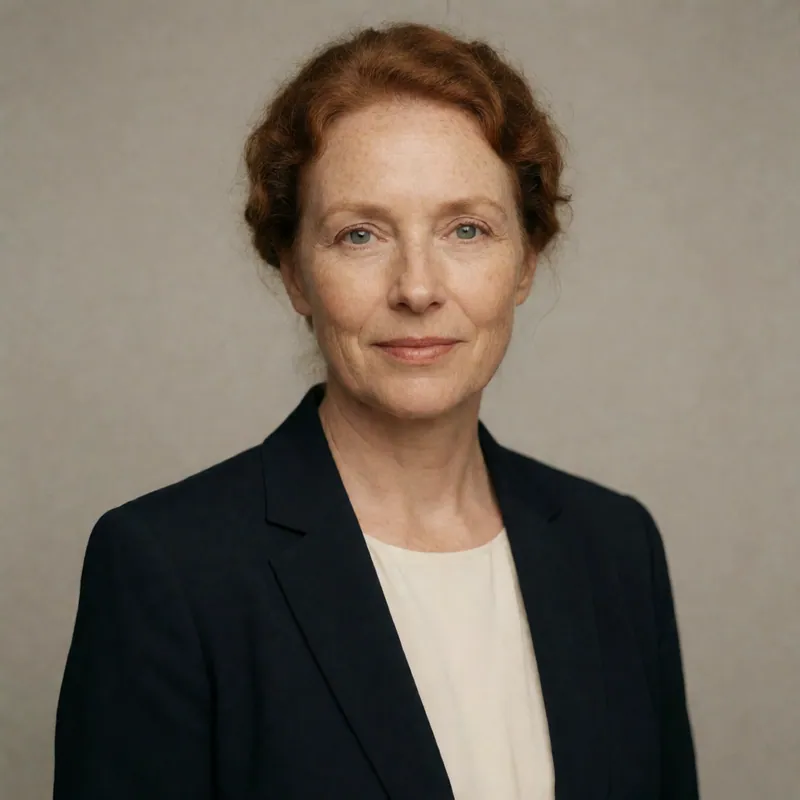
Maeve Halloran
Funeral director
Third generation. Grew up upstairs, went away to do something else for eleven years, and came back. Takes most of the first calls at night because she sleeps badly anyway.
37-36 61st Str, Woodside, NY 11377

About
Six people, each described by what they actually do. The other thing a page like this usually says is on this page too, a little further down.
Nobody here is described by a title you would have to look up. Each of these is a job somebody does, most days, and the part of your week it touches.
Funeral director
Third generation. Grew up upstairs, went away to do something else for eleven years, and came back. Takes most of the first calls at night because she sleeps badly anyway.
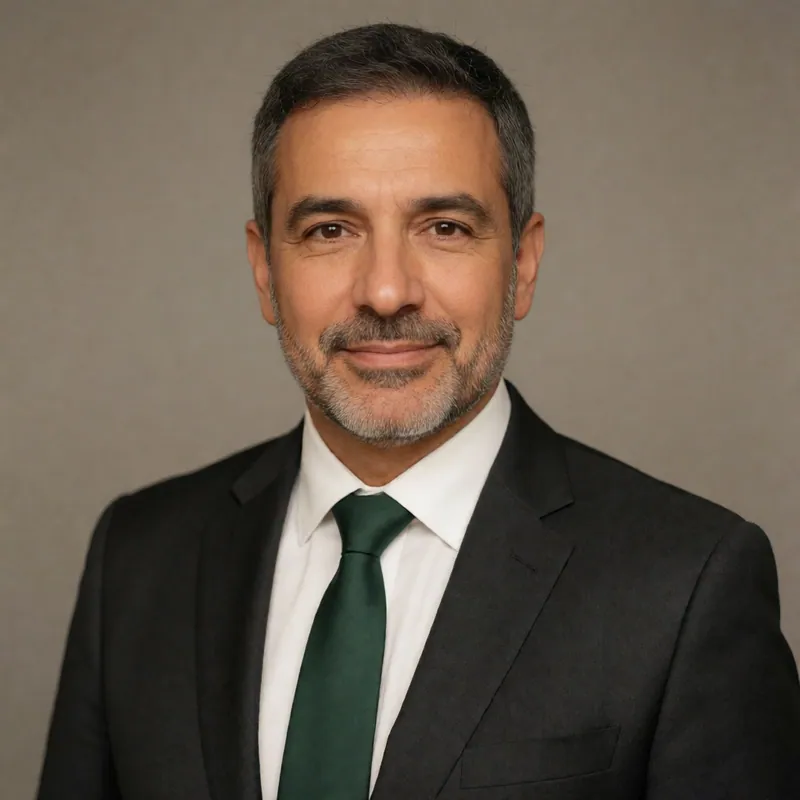
Funeral director
Handles most of the out-of-state and overseas arrangements, which means he spends a great deal of his week on hold to consulates. Speaks Spanish, and has learned enough of three other languages to be useful at a door.
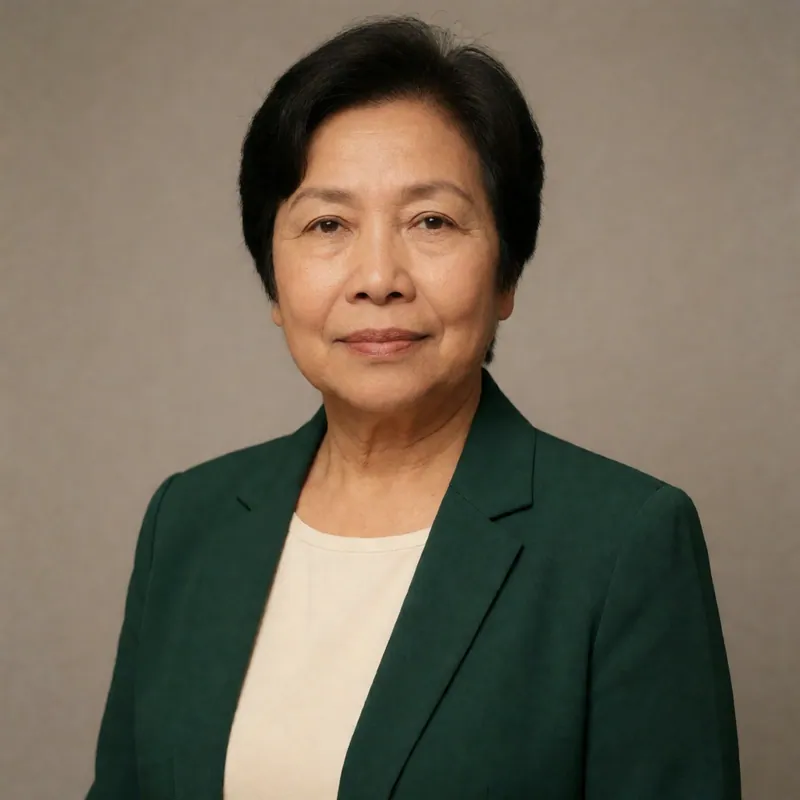
Family services and filings
The person who actually gets the certificate registered, the permit issued and the veterans' forms in. If you have rung about a copy of something, you have spoken to Grace.

Funeral director
Joined from a firm in Jackson Heights. Does most of the arrangements where a family wants a rite we do not lead ourselves, and is unembarrassed about asking a family to teach him what it needs.
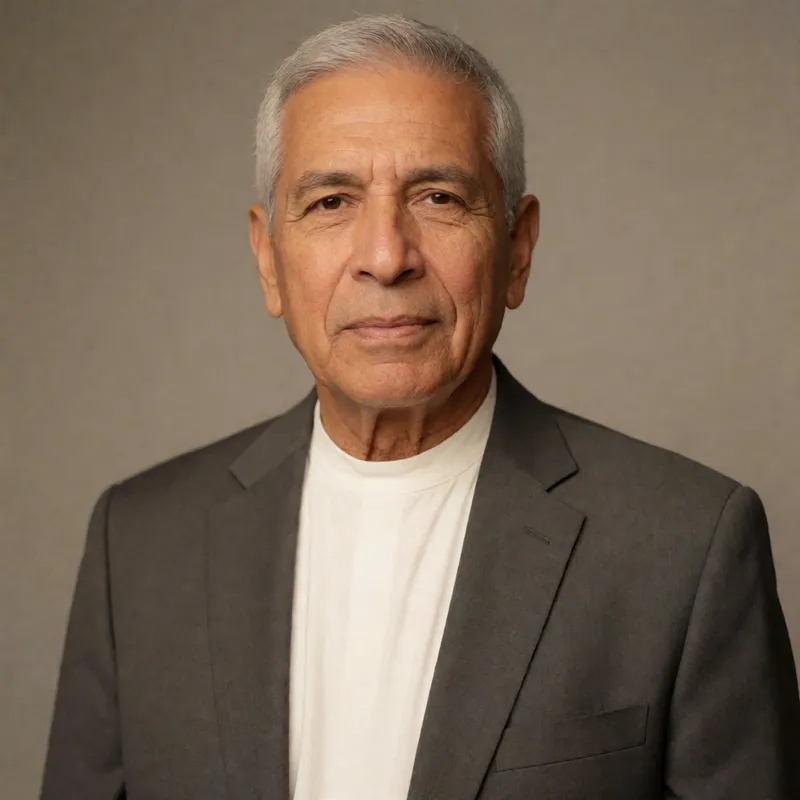
Transfer and care
Has done more night collections than everybody else here put together. The part of this job that nobody sees is almost entirely his, and he is the reason families say the person looked like themselves.

Reception and aftercare
Answers the door and the telephone, and rings families back a month later when everybody else has stopped. Keeps the list of what is available locally for people who are struggling.
The honest part
Every real funeral home's staff page carries something this one cannot, and leaving a gap where it should be would read as an oversight rather than as the truth. So it is written out instead.
Arranging a funeral is licensed work in New York, and a real funeral home would print its licence and the names on it right here. Woodside Memorial is a demonstration site, so it prints neither: nobody described on this page holds a licence, because nobody described on this page exists. When you look at a real funeral home's website, the licence is a thing you can ask to see, and you should.
We would rather you noticed that absence than that we filled it. If somebody has died this week you are probably reading three or four of these sites in a row, and the difference between them is worth having in front of you: on a real one, the names and the numbers are printed, and you may ask at the door to see the document behind them. Asking is ordinary. Nobody who holds one minds being asked.
Whoever picks up when you ring stays with you. That is the whole of the arrangement here and it is the thing families notice most, usually a fortnight in, when they realise they have not had to explain their mother to a second stranger.
You get that person's name at the first call, and you get it again in writing on the itemised statement. If they are away, you are told who is covering and why, rather than finding out by ringing and hearing somebody unfamiliar. If you would rather deal with somebody else — and there are good reasons for that, including that you have already met one of us and would rather not do it twice — say so and it is arranged without a conversation about it.
What that person does is narrow and it is worth being clear about. They take the information the certificate needs, they file it, they chase the signature it waits on, they order the copies, they book the day with the cemetery or the crematory, and they stand at the back of the room on the day making sure nothing needs you. They do not lead the service, they do not advise on the estate, and they do not tell you what the grave costs, because the cemetery sets that.
Most of the hours this business spends are spent when the family is not there. A death at two in the morning means somebody gets up, drives, and brings a person back to this building, and does it in a way the family never has to picture afterwards. That happens every day of the year, including the ones the office is shut.
Everybody in our care is refrigerated from the hour they arrive, and one of us is present at every transfer — not a subcontractor, not a service we ring, one of the six people above. Nothing at all is done to anybody beyond keeping them safely without written authority from the family, and a family that declines something is not asked about it a second time.
It is the least visible part of the work and it is the part that decides whether a family says afterwards that the person looked like themselves. There is no photograph of it on this site, deliberately.
The telephone is answered at every hour of every day, by somebody whose name you will get on that call. Nothing has to be decided on it.