When it happens
Usually the day after the death, in daylight, and it takes about ninety minutes.
37-36 61st Str, Woodside, NY 11377
If someone has died
One conversation, in daylight, that settles the shape of the week. What happens in it, what you will be asked, and what is put in your hands before anything is agreed.
It is the only meeting most families have with us, and everything that happens afterwards is us carrying out what was agreed in it. It is also shorter than people expect.
Usually the day after the death, in daylight, and it takes about ninety minutes.
Here, at your kitchen table, or over a video call if the family is spread out.
More than one person, if you can. Nobody should do this alone and nobody remembers all of it.
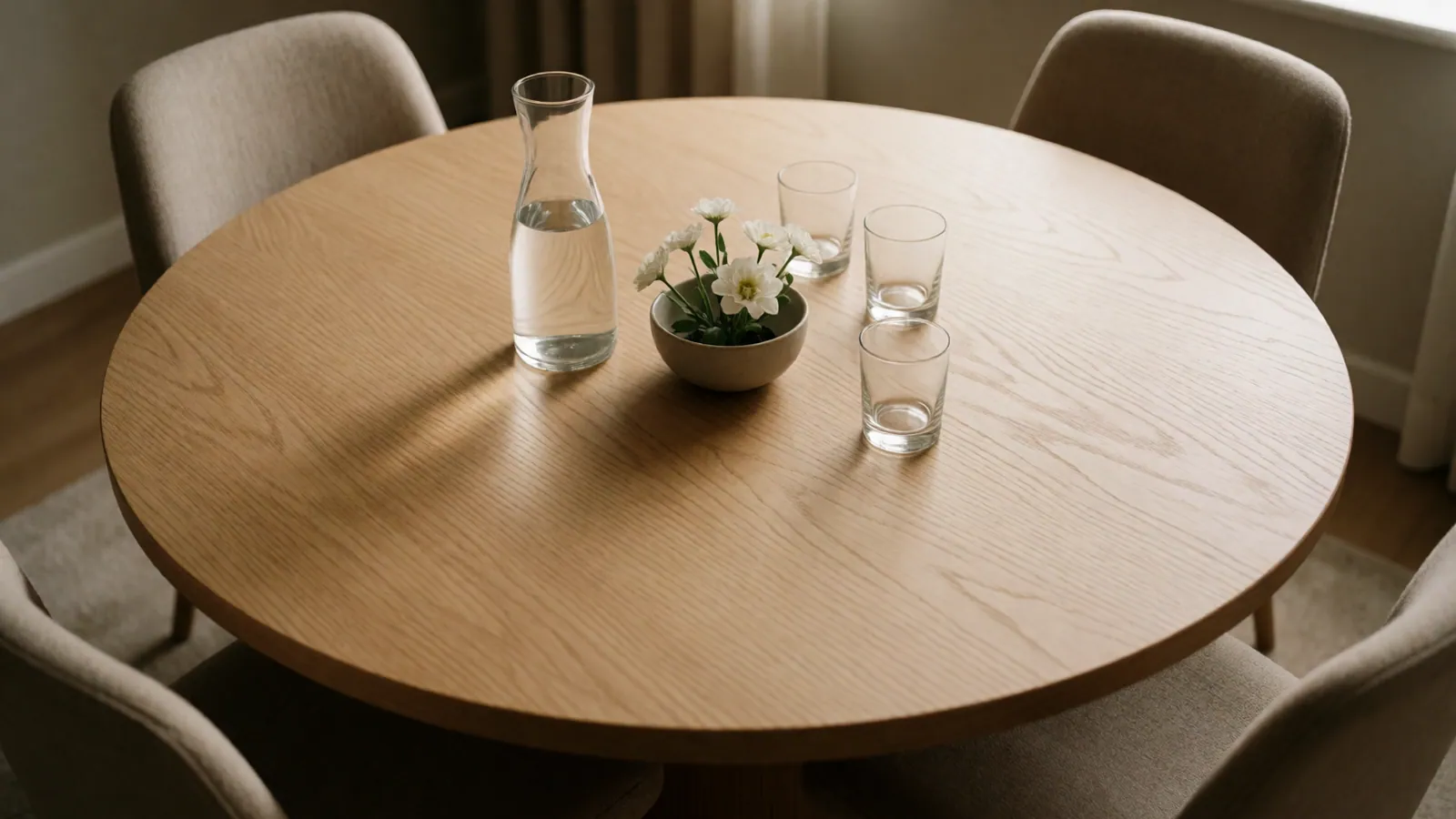
A round table rather than a desk, because a desk has a side you sit on and a side you do not. This is where the price list is put in your hands and gone through line by line.
It runs the same way every time, and it runs in this order for a reason: nothing about money is discussed until we know who the person was and what shape the family wants.
Not about the arrangements. Where they were born, what they did, who is left. It fills the certificate and it tells us who we are looking after.
Burial or cremation. A service or not. Which day, roughly. Nothing is fixed at this point.
Every charge, in writing, in front of you, before anything is agreed. You may decline any of it except one, and we will tell you which one and why.
Which means the cemetery or the crematory, the clergy, and the permit — in that order, because any of the three can move it.
The itemised statement is yours to keep, and it should match what you were told.
The uncomfortable sentence goes here rather than on a page you would have to go looking for, because it is only useful before the meeting.
If at any point in that meeting you feel hurried, say so, and if it happens twice, leave. There is nothing you can sign in the first two days that another funeral home cannot do instead.
There is nothing about this that has to be settled in one sitting. Families stop halfway through, go home, and come back the next morning, and the only thing that costs is a day.
If you feel hurried in the arrangement meeting, say so. If it happens again, go somewhere else.
Families arrive braced for a much larger conversation than the one that happens. The decisions on the left are the ones that actually move the week and the bill. The ones on the right belong to other months and other people, and nobody will raise them on the day after a death.
Not at the end, and not after a room full of caskets has been walked through. It is put in front of you before the conversation about arrangements begins, and it stays with you afterwards.
What you are entitled to. You are entitled to price information over the telephone, to a printed price list to keep before any discussion of arrangements, to buy only the items you want, and to an itemised statement before you pay. Every funeral provider in the United States owes you those.
A price over the telephone. You do not have to give your name, and you do not have to come in. Ask, and any funeral home has to answer.
Two things you may do at any point
Neither of these is a favour and neither needs a reason. They are what any family is entitled to from any funeral home in the country.
Handed to you at the start of any conversation about arrangements, goods or prices — before the discussion, not after it, and it is yours to take away and compare.
Every item you have chosen, what each costs, and what the total is, in writing, before any money changes hands.
The itemised statement is yours to keep, and it should match what you were told.
The itemised statement is given to you and gone through in front of you before you sign, and you keep a copy.
Ask before it rather than during it. Nothing on this site has to be read first, and nothing is agreed in that room before you have seen it in writing.